


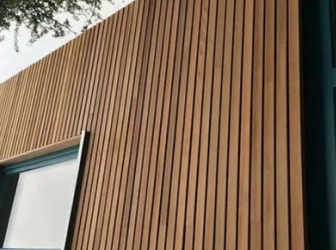
Ground preparation is an integral part that most of the homeowners skip when renovating their outdoor space. Even the most expensive materials will end up shifting and cracking if the foundation isn’t proper enough. Rather than making a wrong decision, go with the choice of installing Exterior Floor Cladding Perth. To know your ground before you lay down a single material is an undeniable fact. A quick check of your local soil must be done without any delay. The underground moisture levels are also to be checked early, as it acts like a structural health check for your garden. Early spotting of red flags will save you from costly tear-outs and weekend headaches on your renovation.
What are the most common groundwork preparation mistakes?
The depth of excavation required is mostly underestimated by homeowners. It is an important factor to consider building a stable, long-lasting sub-base. It is to be noted that the uncompacted earth shifts dramatically under heavy rainfall and weight. Forgetting this, the homeowners dig only enough to level the surface topsoil. It often leads to uneven settling over time if you leave behind the organic matter like roots and leaves. Excavating to a depth of at least 100 mm to 150 mm is recommended by industry specialists. There must be thorough mechanical compaction, or else the entire foundation will sink unevenly once outdoor furniture or regular foot traffic is introduced.
Do homeowners ignore proper slope and drainage planning?
There must be proper attention to natural water runoff paths when prepping their backyards. This is often missed by DIY installers. Every outdoor surface must feature a subtle gradient to gently guide rainwater away from the house foundations. There will be standing water if you build a completely flat surface, which degrades the adhesives and rots sub-frames as well. To prevent moisture from pooling beneath the surface, it is vital to evaluate site drainage conditions before laying down materials like Exterior Cladding Tiles Perth.
How do local soil variations affect base preparation?
Depending on the soil makeup, the sub-surface conditions vary significantly. It demands deeper excavation if the location is in heavy clay soil. This type of soil also retains moisture and expands. Conversely, sandy soils often drain quickly but move easily under load. It is ensured that the structural elements such as Exterior Cladding Panels Perth remain firm and free from stress fractures.
Do installers forget about moisture barriers and sealing requirements?
Mostly yes. If the ground dampness rises from beneath, it often degrades adhesive layers. Therefore, applying appropriate damp-proof membranes is important. This factor is essential when pairing floor layouts with vertical Exterior Cladding Perth features. To prevent unsightly salt stains and premature surface failure, it is pivotal to confirm sub-base dryness and apply proper moisture barriers.
Why is hiring a mechanical plate compactor essential?
To guarantee long-term foundation density, hand-tamping soil or aggregate layers is rarely sufficient. The mechanical plate compactor ensures that aggregate layers are compressed evenly to their maximum load-bearing density. It often leads to localized sinking after heavy rain if you skip the mechanical compaction. The groundwork must be fully prepared to handle real-world conditions, and this can be confirmed by testing the compacted base with a heavy load prior to laying final surface materials.
Where to choose the best exterior cladding panels for your outdoor space?
When preparing or transforming one’s home, every homeowner will be investing greater effort in choosing the best materials. To transform your exterior area into a flawless space, the most commonly chosen option is exterior cladding panels and tiles. To execute a seamless outdoor transformation, it is important to take expert advice from teams like Artificial Grass Perth. The team ensures that your financial investment looks stunning.